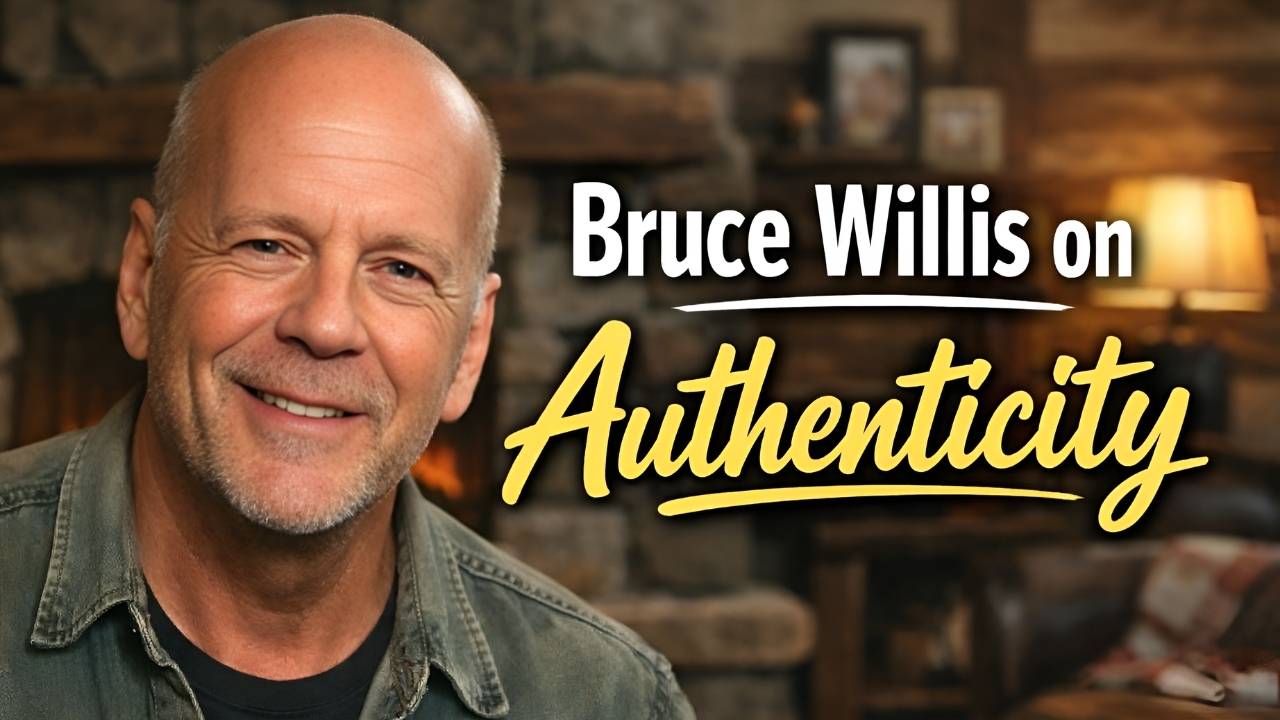
Bruce Willis on Authenticity: Authenticity is a quality that resonates deeply in today’s world. People crave honesty, transparency, and a sense of realness in a culture often dominated by appearances. Bruce Willis, known for his iconic roles in film, has long embodied a rugged authenticity both on and off screen. His decision to stop explaining himself reflects a philosophy that values living truthfully rather than constantly justifying choices.
The Burden of Constant Explanation
In modern life, many feel pressured to explain their actions, defend their decisions, and seek approval from others. This cycle can be exhausting and often strips away individuality. Bruce Willis recognized that living authentically means breaking free from this burden. By refusing to explain himself, he chose to prioritize self-respect over external validation. His stance reminds us that explanations are not always necessary when actions speak for themselves.

Authenticity in Hollywood
Hollywood is a place where image often overshadows reality. Actors are scrutinized for their roles, personal lives, and public statements. Willis, however, carved out a reputation for being unapologetically himself. He did not conform to trends or bend to public opinion. His authenticity set him apart, making him relatable to audiences who admired his refusal to play a role off-screen. This approach highlights the power of staying true to oneself in environments that demand conformity.
Lessons from Willis’s Choice
Bruce Willis’s decision offers valuable lessons for everyday life. First, it shows that confidence grows when we stop seeking constant approval. Second, it teaches that silence can be powerful. Not every action requires justification, and not every choice needs explanation. Finally, it reminds us that authenticity builds trust. People respect those who live honestly, even if they do not always agree with them.

The Freedom of Letting Go
Explaining ourselves often comes from fear—fear of being misunderstood, judged, or rejected. Willis’s choice to stop explaining himself reflects freedom from that fear. By letting go of the need to justify, he embraced peace of mind. This freedom allows individuals to focus on what truly matters: living with integrity and pursuing meaningful goals without distraction.
Authenticity in Relationships
In personal relationships, authenticity is essential. Constantly explaining or defending ourselves can create tension and insecurity. Willis’s example shows that being genuine is more valuable than being perfect. When we stop over-explaining, we invite others to accept us as we are. This strengthens bonds and fosters deeper trust. Authenticity becomes the foundation of lasting connections.

Authenticity in Work
In professional life, authenticity is equally important. Employees and leaders who act with honesty inspire respect and loyalty. Willis’s career demonstrates that authenticity can be a powerful asset. He built a lasting legacy not by pleasing everyone but by staying true to his craft and personality. In workplaces, authenticity encourages creativity, collaboration, and resilience.
Silence as Strength
Choosing not to explain oneself is not about arrogance but about strength. Silence can be a powerful response to criticism or misunderstanding. It shows confidence and self-assurance. Willis’s silence reflects a belief that actions reveal character more than words. This approach encourages us to trust ourselves and let our work and behavior speak louder than explanations.

The Challenge of Authentic Living
Living authentically is not always easy. Society often pressures individuals to conform, justify, and explain. Willis’s decision challenges us to resist these pressures. Authenticity requires courage, self-awareness, and resilience. It means accepting that not everyone will understand or agree with us. Yet it also means living with integrity and peace of mind.
Applying Willis’s Wisdom Today
In our daily lives, we can apply Bruce Willis’s wisdom by practicing authenticity. This means being honest about our values, making choices that align with our beliefs, and resisting the urge to over-explain. It means trusting that our actions will reveal our character. By doing so, we free ourselves from unnecessary stress and build stronger relationships based on trust and respect.

Conclusion
Bruce Willis’s decision to stop explaining himself is a powerful reminder of the value of authenticity. His choice reflects confidence, freedom, and integrity. It teaches us that explanations are not always necessary and that silence can be a form of strength. By embracing authenticity, we can live more peacefully, build deeper connections, and accomplish more with clarity and purpose. In a world full of noise, his example encourages us to stay true to ourselves and let our actions speak louder than words.