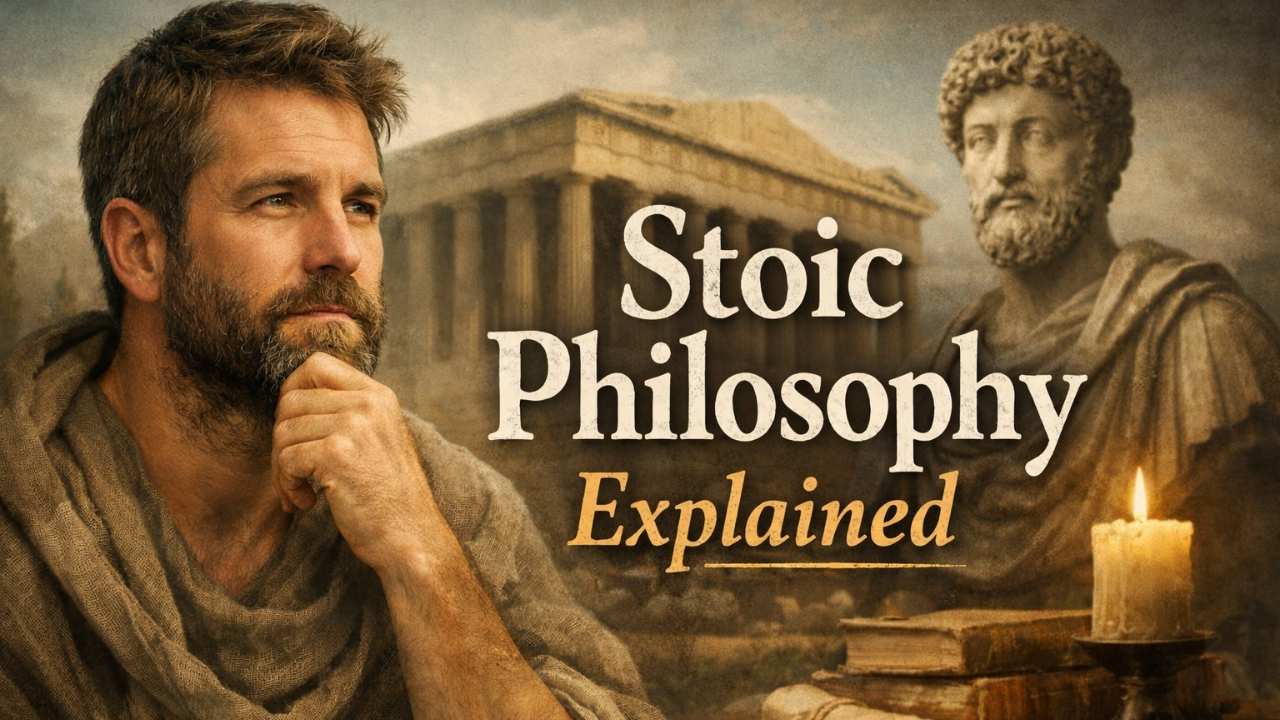
Stoic Philosophy Explained: Stoicism is a philosophy that teaches resilience, rationality, and the pursuit of inner peace. At its core, it emphasizes the distinction between what is within our control and what is not. Seneca, one of the most influential Stoic thinkers, devoted much of his writing to explaining how human suffering often arises not from external events but from the way we perceive and interpret them. His insights remain timeless, offering guidance on how to endure hardship with clarity and strength.
Mental Suffering Versus Real Suffering
Seneca argued that most suffering exists in the mind rather than in reality. Real suffering refers to tangible pain, loss, or misfortune. Mental suffering, however, is the distress we create by anticipating, exaggerating, or dwelling on difficulties. For example, worrying about future misfortunes that may never occur can cause more anguish than the actual event itself. Seneca believed that by controlling our thoughts, we could reduce unnecessary suffering and face real challenges with greater composure.

The Burden of Anticipation
One of Seneca’s most powerful observations was that people suffer more in imagination than in reality. Anticipating pain or disaster magnifies fear and anxiety, often making the experience worse than the event itself. He encouraged individuals to confront life as it unfolds rather than torment themselves with endless speculation. By focusing on the present moment, we can free ourselves from the mental burden of anticipation and conserve energy for dealing with real problems.
The Discipline of Perspective
Stoicism teaches that perspective shapes experience. Seneca urged people to examine their thoughts and question whether their suffering was real or imagined. By reframing challenges, we can reduce their emotional weight. For instance, losing wealth may seem catastrophic, but from a Stoic perspective, it is only the loss of external possessions, not the destruction of character or virtue. This discipline of perspective allows us to distinguish between what truly harms us and what merely disturbs our peace of mind.

Endurance Through Rationality
Seneca believed that rational thinking was the antidote to mental suffering. By applying reason, we can separate facts from fears and reality from imagination. Rationality helps us endure real suffering by reminding us that pain is temporary and that our response defines its impact. It also helps us dismiss mental suffering by exposing its lack of substance. Through rational reflection, we gain the strength to endure adversity without being overwhelmed by unnecessary distress.
Freedom in Acceptance
Acceptance was central to Seneca’s philosophy. He taught that resisting reality only deepens suffering, while acceptance brings freedom. Real suffering cannot always be avoided, but it can be endured with dignity when we accept it as part of life’s natural order. Mental suffering, on the other hand, dissolves when we stop resisting what we cannot control. By embracing acceptance, we align ourselves with nature and discover peace even in hardship.

Lessons for Modern Life
Seneca’s distinction between mental and real suffering is highly relevant today. Modern life is filled with anxieties about the future, social pressures, and imagined fears. These mental burdens often outweigh real challenges. By practicing Stoic principles, we can learn to quiet unnecessary worries, focus on what is within our control, and face real difficulties with resilience. Seneca’s wisdom encourages us to cultivate inner strength and clarity in a world that constantly tests our peace of mind.
The Power of Inner Freedom
Stoicism emphasizes that true freedom lies within. Seneca’s teachings remind us that external events cannot enslave us unless we allow them to dominate our thoughts. By mastering our mental responses, we gain independence from fear and anxiety. This inner freedom enables us to endure real suffering with courage and to dismiss mental suffering as illusion. In this way, Stoic philosophy offers a path to liberation from the chains of unnecessary distress.

Conclusion
Seneca’s exploration of mental versus real suffering highlights the importance of perspective, rationality, and acceptance. Real suffering is inevitable, but mental suffering is often self-inflicted. By learning to distinguish between the two, we can reduce unnecessary pain and strengthen our ability to endure life’s challenges. Seneca’s wisdom continues to inspire, reminding us that peace of mind is not found in avoiding hardship but in mastering our response to it. His philosophy offers timeless guidance for anyone seeking resilience and clarity in the face of adversity.